


You may also like
-

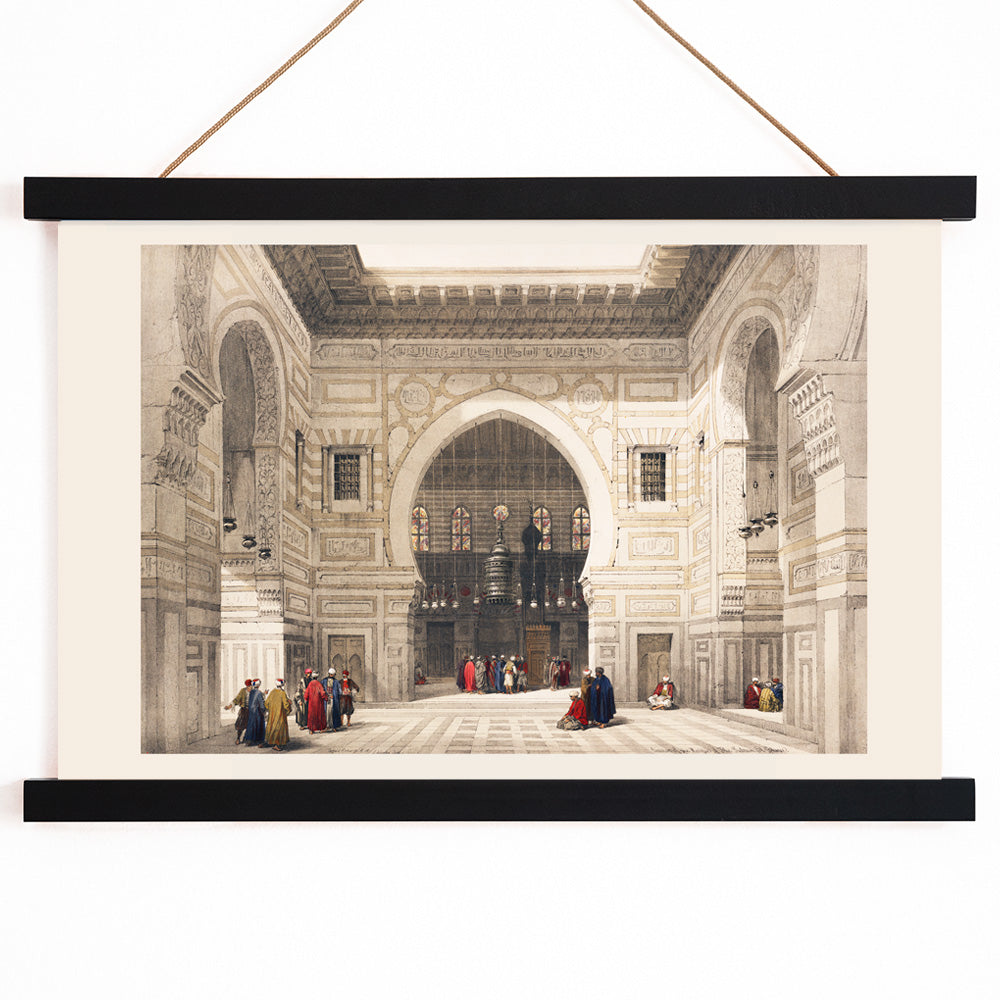
Interior of the mosque of the Metwalys Poster
David Roberts · 1839 · Atmospheric mosque interior art print with soaring arches, worshippers, and warm desert tones
Poster from £9 · Framed from £16
-

Bazaar of the silk mercers Poster
David Roberts · 1842 · Atmospheric Cairo bazaar art print with arched arcade, merchants, and hanging textiles
Poster from £9 · Framed from £16
-

Grand entrance to the Mosque of the Sultan Hassan Poster
David Roberts · 1842 · Monumental Cairo mosque entrance poster with bustling figures rendered in warm stone tones
Poster from £9 · Framed from £16
-

Arabesque architecture Poster
David Roberts · 1848 · Detailed Cairo architectural poster featuring ornate arches and patterned stonework in warm beige tones
Poster from £9 · Framed from £16


-

"Very nice Posters. The quality is amazing and we received it very quickly !"
-

"A shop to visit absolutely. Huge selection of posters. We spent more than an hour there !"
-

"Perfect to find gift. Price are very good. An they can frame and pack it on site"


About the Artist
David Roberts was a renowned Scottish painter and printmaker, celebrated for his detailed depictions of architectural landmarks across Europe and the Middle East. His extensive travels in Egypt and the Levant during the 1830s provided European audiences with rare glimpses into distant cultures and monumental sites. Roberts' works were instrumental in shaping nineteenth-century fascination with the architecture and daily life of these regions.
This vintage travel subject is a natural fit within famous artists collections, especially for admirers of historical architectural art with a documentary spirit.
The Artwork
Created during Roberts' Egyptian journey in 1839, this artwork captures the interior of a historic Cairo mosque. At a time when few Europeans had access to such spaces, Roberts' scene offered a window into Islamic urban life and sacred architecture. His work served as both a record and an invitation to appreciate the artistry and atmosphere of these monumental interiors, reflecting a broader nineteenth-century interest in cultural exchange and architectural study.
This focus on documenting and sharing distant places continues to inspire collectors of oriental art and those drawn to the intersection of travel and history.
Style & Characteristics
The composition is anchored by a dramatic perspective, with soaring arches and columns guiding the viewer's gaze deep into the mosque's interior. Roberts' precise linework and delicate shading highlight the carved stone surfaces and intricate patterns, while the inclusion of small, quietly posed figures adds a sense of scale and lived experience.
The palette features warm beige and stone hues, offset by subtle greys and restrained touches of red, blue, and yellow. The atmosphere is tranquil and contemplative, evoking both the grandeur and intimacy of sacred architectural spaces. This architectural art print exemplifies Roberts' ability to blend documentary accuracy with evocative mood.
In Interior Design
This artwork lends a sense of depth and calm to living rooms, studies, or entryways, especially when paired with neutral tones, natural woods, and textured fabrics. It can serve as a focal point within a gallery wall of travel or architectural art, or complement a serene, layered interior scheme.
For a cohesive look, echo the print's tones with sandy linens, soft grey accents, and touches of blue or red. The piece also harmonizes beautifully with beige focused interiors, appealing to those who appreciate historic architecture and timeless design.