


You may also like
-

View of the Eiffel Tower Poster
Leo Gestel · 1921 · Expressive black and white Eiffel Tower poster rendered with dynamic modernist lines
Poster from £9 · Framed from £16
-

Eiffel Tower Poster
Henri Rousseau · 1900 · Dreamlike Eiffel Tower poster with calm Paris skyline and soft tonal contrast
Poster from £9 · Framed from £16
-

London Big Ben Poster
Dixon Scott · 1926 · Sepia London skyline poster featuring Big Ben and the Houses of Parliament above the Thames
Poster from £9 · Framed from £16
-

Campanile di Pisa Poster
G.L. Taylor · 1837 · Precise architectural print of the Leaning Tower of Pisa in crisp monochrome
Poster from £9 · Framed from £16


-

"Very nice Posters. The quality is amazing and we received it very quickly !"
-

"A shop to visit absolutely. Huge selection of posters. We spent more than an hour there !"
-

"Perfect to find gift. Price are very good. An they can frame and pack it on site"


About the Artist
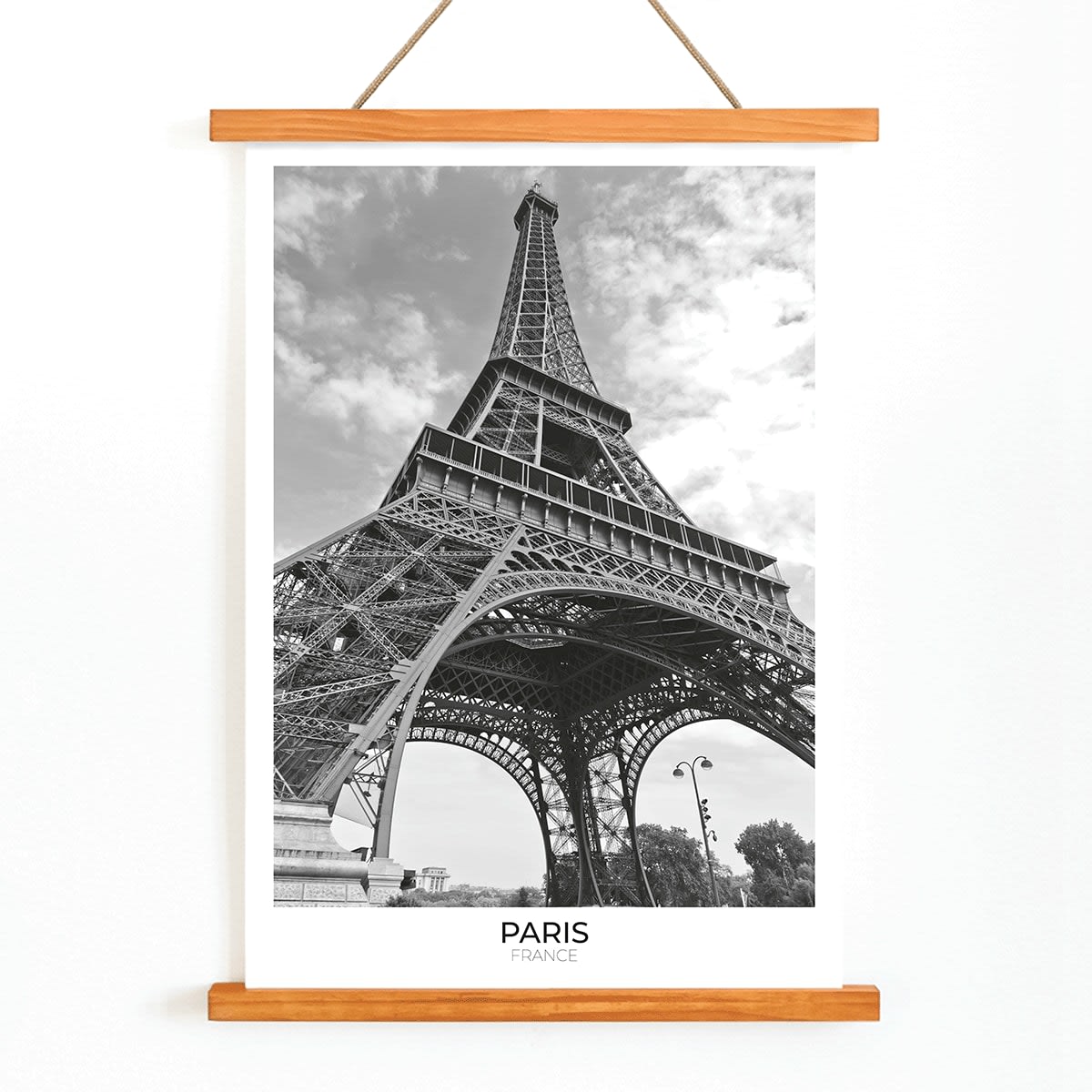
By an unknown artist, this 1925 image of the Eiffel Tower reflects the early twentieth-century fascination with modern landmarks as symbols of progress and cosmopolitan identity. During the interwar period, Paris was a center for artists, photographers, and publishers who captured the city’s evolving spirit through collectible prints and souvenirs.
Such works bridged the worlds of travel mementos and architectural studies, offering viewers both a sense of place and a celebration of modern engineering. For those interested in iconic city imagery, you may also enjoy our photography prints and the thoughtfully curated our selection of vintage wall art.
The Artwork
This print, Tour Eiffel 2, emerged at a time when the Eiffel Tower had become an enduring emblem of Paris, representing innovation and the allure of urban life. By 1925, the tower was not only a marvel of engineering but also a global icon featured in countless keepsakes for travelers and admirers of the city.
The image captures the spirit of an era when architecture and travel were intertwined, and when a single silhouette could evoke the excitement of modernity and the romance of Parisian life. It stands as a testament to the tower’s role in shaping the city’s identity and its international appeal.
Style & Characteristics
Executed in a classic black, white, and grey palette, the composition highlights the Eiffel Tower’s intricate ironwork and bold verticality. The strong contrast and clear tonal divisions lend the print a crisp, archival quality, making the structure’s geometry and scale immediately striking.
The mood is calm and graphic, emphasizing line, pattern, and architectural form over narrative detail. This monochrome approach aligns naturally with black and white posters and minimalist photographic art, appealing to collectors who appreciate understated elegance.
In Interior Design
This Eiffel Tower poster serves as a sophisticated focal point for living rooms, hallways, or offices that benefit from a sense of structure and clarity. Its neutral tones work harmoniously with white walls, wood, concrete, or metal accents, supporting a clean, architectural aesthetic.
It integrates seamlessly into modern, Scandinavian, industrial, or Art Deco-inspired interiors, especially when paired with other vertical formats or cityscape imagery. For a cohesive look, consider combining it with vertical posters in similar monochrome palettes and graphic styles.