


You may also like
-

Black Cat 4 Poster
Unknown artist · 1750 · Striking black cat vintage print with bold silhouette on warm beige ground
Poster from £9 · Framed from £16
-

Black Cat 2 Poster
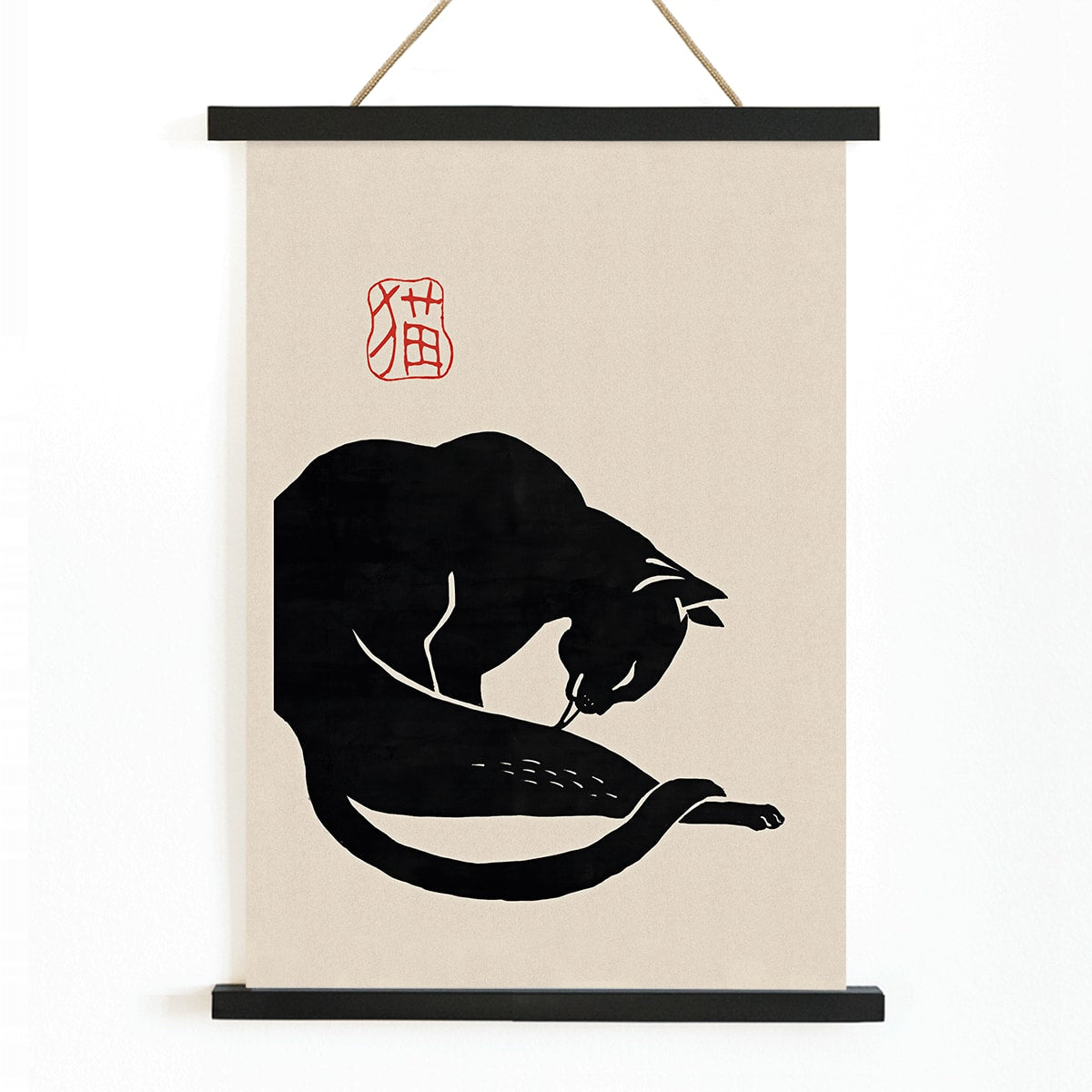
Unknown artist · 1750 · Minimal black cat vintage print with red seal accent on warm beige
Poster from £9 · Framed from £16
-

Cats Poster
Utagawa Kuniyoshi · 1849 · Playful ukiyo-e cats print showing varied poses with crisp ink lines and red accents
Poster from £9 · Framed from £16
-

Sitting cat, from behind Poster
Jean Bernard · 1812 · Quiet cat vintage print rendered in soft greys, seen from behind
Poster from £9 · Framed from £16


-

"Very nice Posters. The quality is amazing and we received it very quickly !"
-

"A shop to visit absolutely. Huge selection of posters. We spent more than an hour there !"
-

"Perfect to find gift. Price are very good. An they can frame and pack it on site"


About the Artist
Created by an anonymous artist, this 1750 image is part of an 18th-century tradition where drawing, ink painting, and calligraphy often merged on a single sheet. Many works from this era were unsigned, appreciated for their expressive technique and subtle refinement rather than for the reputation of the maker.
This anonymity shifts the viewer’s focus to the artist’s skill and the contemplative mood of the piece. For those curating a collection of classic art prints, it offers a glimpse into the understated elegance of historical animal studies.
The Artwork
This artwork features a black cat, a subject rich in folklore and symbolism across cultures. In the 18th century, cats were frequently depicted as both companions and mysterious figures, embodying qualities of independence and enigma. The inclusion of calligraphy hints at the tradition of pairing animal imagery with poetry or blessings, transforming a simple portrait into a meaningful emblem or token.
Such works were often exchanged as gifts or used as decorative elements, valued for their ability to convey personal sentiments and cultural beliefs. The cat’s poised presence and the calligraphic text together evoke a sense of quiet observation and thoughtful artistry, resonating with admirers of animal wall art.
Style & Characteristics
The composition is minimalist, with a stylized black cat rendered in bold ink against a warm beige background. Striking red calligraphy provides a vivid accent, introducing visual rhythm and contrast. Large expanses of negative space create a tranquil atmosphere, allowing the silhouette to stand out with clarity.
The visual language bridges traditional ink drawing and early graphic design, emphasizing simplicity and elegance. The result is a refined print that harmonizes with minimalist posters and black and white decor, offering both sophistication and a touch of intrigue.
In Interior Design
This vintage print makes a distinctive statement in entryways, offices, or reading nooks where a single, focused artwork can set the tone. Its black, beige, and red palette pairs well with light woods, linen, and ceramics, or can provide contrast in darker, moodier interiors.
Framed in black or natural oak, it integrates seamlessly with beige wall art and Japanese-inspired decor, adding character without overwhelming the space.