


You may also like
-

Job Paper Poster
Alphonse Mucha · 1897 · Iconic Art Nouveau poster of a serene woman smoking framed by flowing hair
Poster from £9 · Framed from £16
-

Manufacture Royale De Corsets Poster
Alphonse Mucha · 1897 · Art Nouveau corsetry poster with flowing lines and botanical ornament in warm tones
Poster from £9 · Framed from £16
-

Job by Mucha Poster
Alphonse Mucha · 1896 · Iconic Art Nouveau advertising poster with a sensual profile and cascading ornamental hair
Poster from £9 · Framed from £16
-

Lance parfum Rodo poster Poster
Alphonse Mucha · 1896 · Art Nouveau poster with a perfume muse and ornamental lettering
Poster from £9 · Framed from £16


-

"Very nice Posters. The quality is amazing and we received it very quickly !"
-

"A shop to visit absolutely. Huge selection of posters. We spent more than an hour there !"
-

"Perfect to find gift. Price are very good. An they can frame and pack it on site"


About the Artist
Alphonse Mucha was a Czech-born artist whose flourishing career in Paris during the late 19th century made him a central figure of the Art Nouveau movement. His innovative approach to poster design elevated commercial art, blending graceful figures, intricate ornamentation, and harmonious layouts that defined the visual culture of the Belle Époque.
Mucha's work, including this piece, remains highly regarded among collectors and design enthusiasts, and can be found in curated selections of Alphonse Mucha and other famous artists from the era.
The Artwork
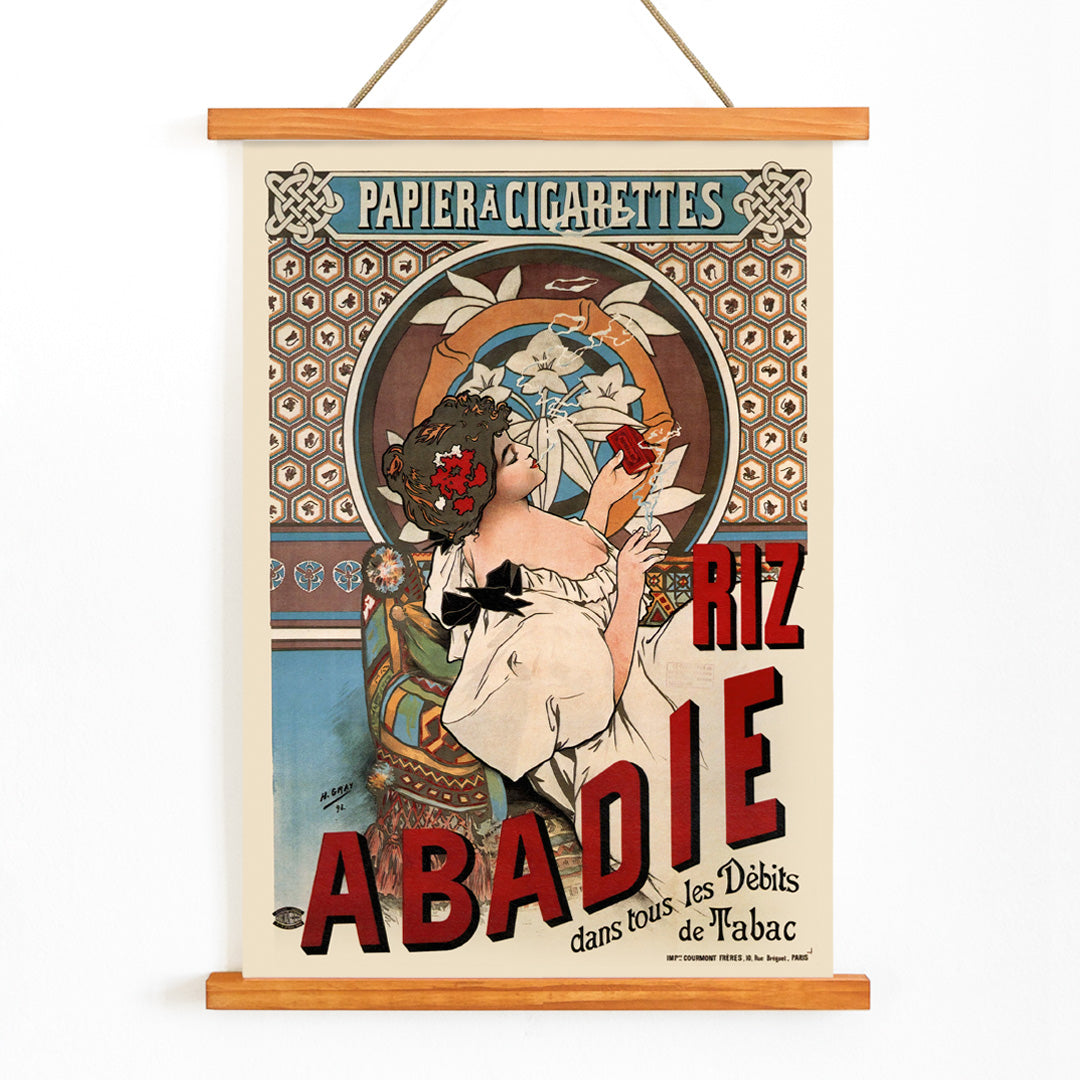
Created in 1898, Riz Abadie reflects the vibrant world of Parisian advertising at the turn of the century. During this period, posters were a dominant form of public communication, transforming city streets into open-air galleries. Mucha's design for Riz Abadie exemplifies how brands sought to associate everyday products with ideals of beauty, refinement, and modern living.
Rather than depicting the rice product itself, the poster uses allegory—a radiant woman personifies abundance and nourishment, embodying the aspirational qualities that companies wished to convey. This approach captures the optimism and theatrical flair of fin-de-siècle Paris, where art and commerce were closely intertwined.
Style & Characteristics
The poster features a tall, vertical composition dominated by a central female figure, framed by elaborate floral motifs and stylized lettering. Mucha's signature use of flowing lines, decorative patterns, and a luminous color palette—warm reds, soft blues, creamy whites, and earthy browns—creates a harmonious and inviting atmosphere.
The woman's serene expression and the intricate halo-like frame evoke a sense of calm and elegance, while the ornamental details and balanced design exemplify the Art Nouveau style. The overall effect is both decorative and iconic, making this vintage advertising print instantly recognizable.
In Interior Design
This vintage poster brings a touch of Belle Époque sophistication to interiors, working well as a statement piece in living rooms, dining areas, or kitchens. Its ornate design complements classic and eclectic spaces, as well as modern rooms seeking a single, decorative focal point.
For a cohesive look, pair it with brass or dark wood frames and accent colors drawn from the poster's palette, such as terracotta red or muted blue. Discover more turn-of-the-century graphics in our vintage advertising and vertical posters collections.